
Read time : 3 minutes
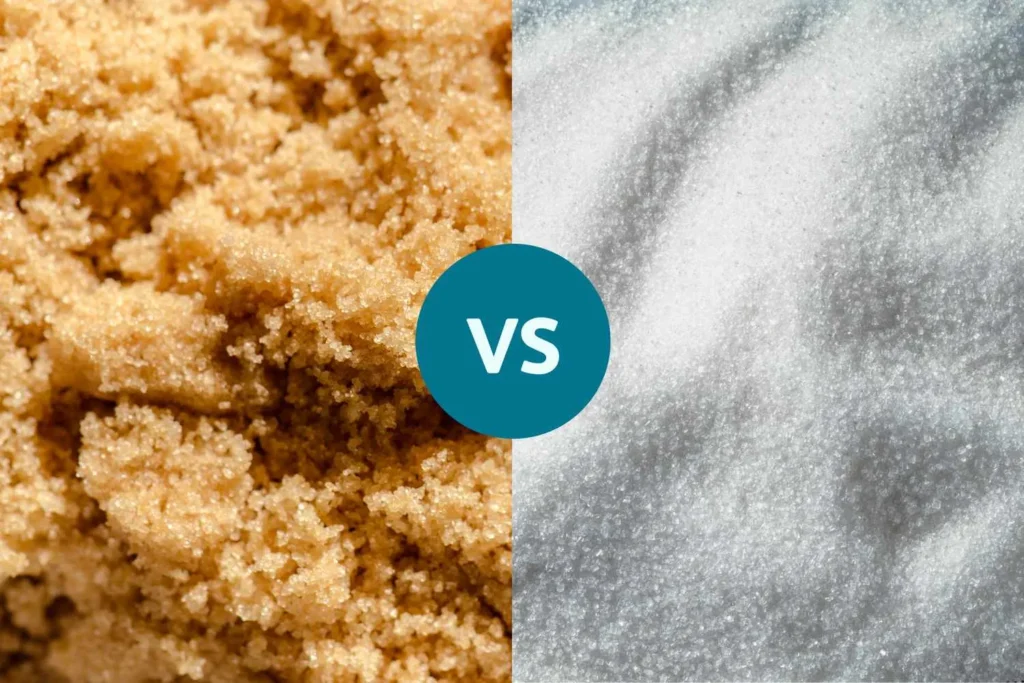
Many people trying to eat healthier make a simple switch: they replace white sugar with brown sugar.
The assumption is clear.
Brown sugar looks more “natural,” less processed, and somehow better for the body.
But is that actually true?
Or is it one of the most common nutrition myths?
What Is the Real Difference Between Brown and White Sugar?
White sugar is highly refined sucrose extracted from sugarcane or sugar beets.
Brown sugar is essentially white sugar with molasses added back into it. The molasses gives it the brown color, slightly moist texture, and mild caramel flavor.
Nutritionally, however, both are made up primarily of sucrose, a simple carbohydrate composed of glucose and fructose.
The calorie difference between them is negligible. The mineral content in brown sugar is slightly higher because of the molasses, but the amounts are so small that they offer no meaningful health benefit unless consumed in very large (and unhealthy) quantities.
In practical terms, your body processes brown sugar and white sugar almost the same way.
How Does the Body Respond to Both?
Once consumed, both brown and white sugar:
- Rapidly increase blood glucose
- Trigger insulin release
- Provide quick energy
- Contribute excess calories when overconsumed
Neither type slows digestion significantly, prevents glucose spikes, reduces the metabolic impact of excess sugar intake.
From a blood sugar and metabolic perspective, they behave nearly identically.
Why Do People Think Brown Sugar Is Healthier?
The belief often comes from appearance and marketing.
Brown foods are commonly associated with “whole” or “natural” products, like brown rice or whole wheat bread. But unlike whole grains, brown sugar is not less refined in a nutritionally meaningful way.
It simply contains molasses.
The health halo around brown sugar is largely psychological.
Does This Mean All Sugar Is Bad?
Not necessarily.
Sugar in small amounts can fit into a balanced diet. The concern arises with excess intake. According to the World Health Organization, free sugars should make up less than 10% of total daily energy intake, with further benefits seen when reduced below 5%.
Whether it is brown, white, or even raw sugar, overconsumption increases the risk of:
- Weight gain
- Insulin resistance
- Type 2 diabetes
- Cardiovascular disease
The issue is quantity, not color.
So What’s the Healthier Choice?
The healthier strategy is not choosing brown over white. It is reducing overall added sugar intake.
If sweetness is needed, focus on:
- Using smaller amounts
- Prioritizing naturally sweet whole foods like fruits
- Choosing balanced meals that reduce sugar cravings
- Reading food labels to identify hidden sugars
Brown sugar is not harmful in moderation, but it is not a health upgrade either.
The Takeaway
Brown sugar is not significantly healthier than white sugar. Both are forms of added sugar and affect the body in similar ways.
When it comes to sugar, the real win is not switching colors, it is practicing moderation and building balanced eating habits.
Health is shaped by patterns, not packaging.
Got questions? Drop them in the comments below—we would love to hear from you!
RD, LD Julius Sammah
MyHealthCop Certified Dietician
Ready to Take the First Step?
👉 Book a 1-on-1 Session with any of our Certified Dietitian professionals to start your health journey today. [DOWNLOAD THE APP]

Popular posts

Reach Us on Our Social Media Platforms