
Read time : 2 minutes
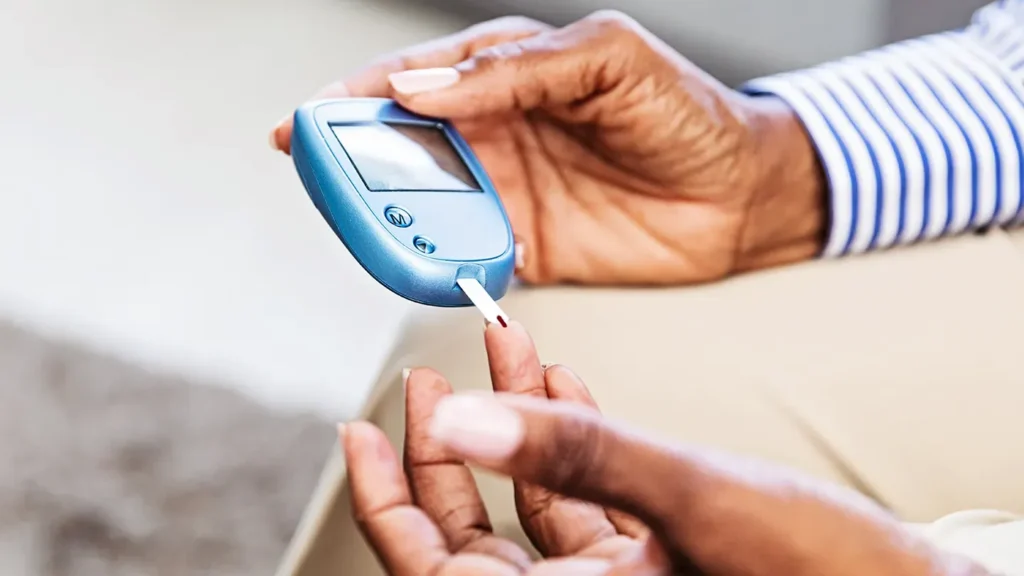
You don’t need diabetes to have unstable blood sugar. According to the World Health Organization (WHO), frequent glucose spikes are an early driver of insulin resistance, fatigue, weight gain, and long-term metabolic disease. What you eat, how you eat, and when you eat quietly shape your blood sugar every day.
Understanding Glucose Spikes
Glucose spikes occur when blood sugar rises rapidly after meals—especially meals high in refined carbohydrates or added sugars.
- The pancreas releases insulin to move glucose into cells.
- Repeated spikes force the body to produce more insulin.
Over time, cells respond less effectively, leading to insulin resistance (WHO, International Diabetes Federation).
Why Insulin Resistance Matters
insulin resistance doesn’t appear overnight. It develops silently and increases the risk of:
- Type 2 diabetes
- Abdominal obesity
- Cardiovascular disease
- Fatigue, brain fog, and frequent hunger (CDC)
Early dietary habits can either accelerate or prevent this process.
Dietary Drivers of Glucose Spikes
1. Refined Carbohydrates & Added Sugars
White bread, pastries, sugary drinks, and sweets cause rapid glucose surges. WHO recommends limiting free sugars to <10% of total energy intake.
2. Skipping Protein and Healthy Fats
Carbohydrate-only meals digest quickly, leading to sharp spikes. Protein and fats slow glucose absorption and improve insulin response.
3. Large Portion Sizes
Even healthy carbs can spike blood sugar when portions are excessive.
4. Skipping Protein and Healthy Fats
Carbohydrate-only meals digest quickly, leading to sharp spikes. Protein and fats slow glucose absorption and improve insulin response.
Nutrition Strategies to Stabilize Blood Sugar
1. Build Balanced Plates
Combine carbohydrates + protein + healthy fats + fiber at each meal. This reduces post-meal glucose spikes (IDF).
2. Prioritize Low-Glycemic Foods
Choose whole grains, legumes, vegetables, nuts, and seeds. These release glucose gradually.
3. Eat Carbohydrates Last
Starting meals with vegetables or protein can blunt glucose spikes.
4. Be Smart With Snacking
Pair fruit with protein or healthy fat instead of eating it alone.
5. Maintain Regular Meal Timing
Long gaps followed by large meals worsen glucose instability.
Lifestyle Factors That Improve Insulin Sensitivity
- Physical activity improves glucose uptake by muscles (WHO).
- Sleep deprivation worsens insulin resistance.
- Chronic stress raises cortisol, increasing blood sugar levels.
Key Takeaway
Glucose control isn’t about eliminating carbohydrates—it’s about quality, balance, and timing. Small daily food choices can prevent insulin resistance long before medication is ever needed.
Stabilize your blood sugar. Protect your metabolism. Invest in long-term health.
Meet Your Ai Personal Trainer
👉Personalized workouts. Progress tracking. Real results.
MyHealthCop AI is your pocket trainer — always ready, always smart.
Download the App to Take your free Ai health assessment Today [Take Assessment]
RD, LD Julius Sammah
MyHealthCop Certified Dietician
Related posts

Reach Us on Our Social Media Platforms