
Read time : 3 minutes
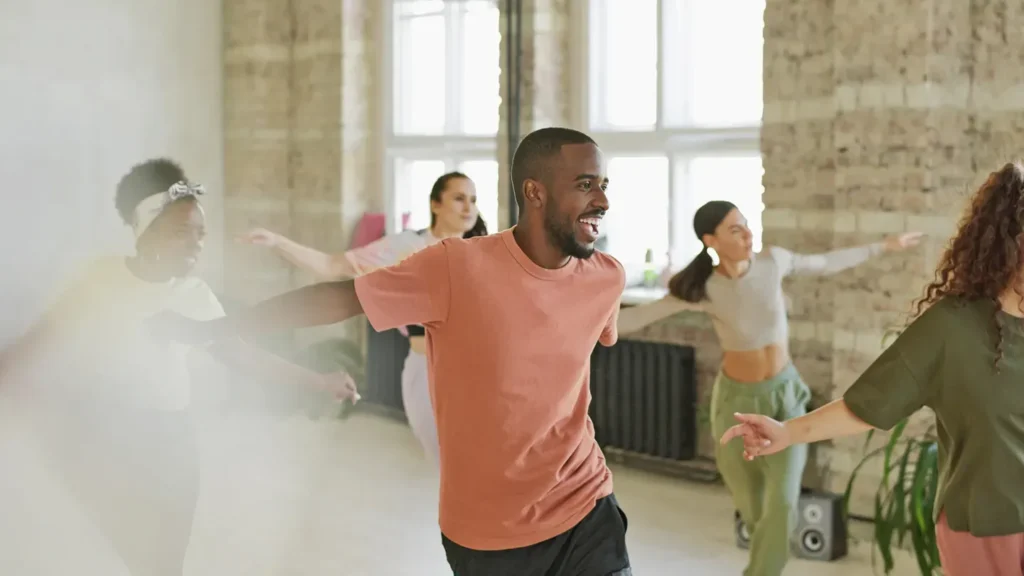
When people hear the word “exercise,” many picture treadmills, dumbbells, or intense gym routines. But what if improving heart health and mobility didn’t require a gym membership or strict workout plan? What if it could start with music, movement, and a little joy?
Dancing is often seen as entertainment, a social activity, or a cultural expression. Yet beneath the rhythm and fun lies a powerful form of physical activity that supports cardiovascular health, mobility, and overall wellbeing.
Why Dancing Gets Your Heart Working
Any activity that raises your heart rate and keeps it elevated for a period of time contributes to cardiovascular fitness. Dancing does exactly that. Depending on the style, tempo, and duration, dancing can shift the body into moderate or even vigorous physical activity.
As you move to the rhythm, your heart pumps faster to deliver oxygen to working muscles. Over time, this improves heart efficiency, circulation, and endurance. Regular dancing has been linked to better blood pressure control, improved aerobic capacity, and reduced risk of heart disease.
The beauty of dancing is that people often stay active longer without realizing it because they are enjoying themselves.
How Dancing Improves Mobility and Movement Confidence
Mobility is not just about flexibility, it is about how well your joints move through their natural range of motion. Dancing encourages movement in multiple directions, forward, backward, sideways, and rotational. This challenges the joints, muscles, and balance systems in a way many traditional exercises do not.
Through repeated movement patterns, dancing helps improve joint lubrication, muscle coordination, and posture. It also enhances balance and body awareness, which are essential for preventing falls and maintaining independence as we age.
For people who feel stiff, sedentary, or unsure about structured exercise, dancing can gently reintroduce the body to movement without pressure.
Unlike repetitive gym exercises, dancing mimics real-life movement patterns. This makes the benefits more transferable to everyday tasks and long-term physical function.
Why Dancing Is Easier to Stick With
One of the biggest challenges in physical activity is consistency. Many people start exercise programs but struggle to maintain them. Dancing removes many of the barriers that cause people to quit.
It requires little equipment, can be done alone or in groups, indoors or outdoors, and can be adapted to different fitness levels. Most importantly, it feels less like a chore and more like self-expression.
When movement is enjoyable, it becomes sustainable.
How to Get Started Without Overthinking It
You do not need formal dance training to benefit. Simple movements to music at home, community dance sessions, cultural dances, or even social gatherings can provide meaningful physical activity.
The key is to move continuously, allow your heart rate to rise, and choose music that encourages natural, comfortable motion. Over time, duration and intensity can increase naturally.
The Takeaway
Dancing is more than fun, it is a powerful form of physical activity that supports heart health, mobility, balance, and overall wellbeing. It proves that exercise does not always have to feel like exercise.
Sometimes, the best way to move more is to enjoy the movement itself.
So the next time music plays, instead of sitting still, consider letting your body respond. Your heart will thank you.
Got questions? Drop them in the comments below—we would love to hear from you!
Baah Sekyere Agyekum
Myhealthcop physical activity expert
Ready to Take the First Step?
👉 Book a 1-on-1 Session with any of our Certified Dietitian professionals to start your health journey today. [DOWNLOAD THE APP]
Popular posts

Reach Us on Our Social Media Platforms