
Read time : 3 minutes
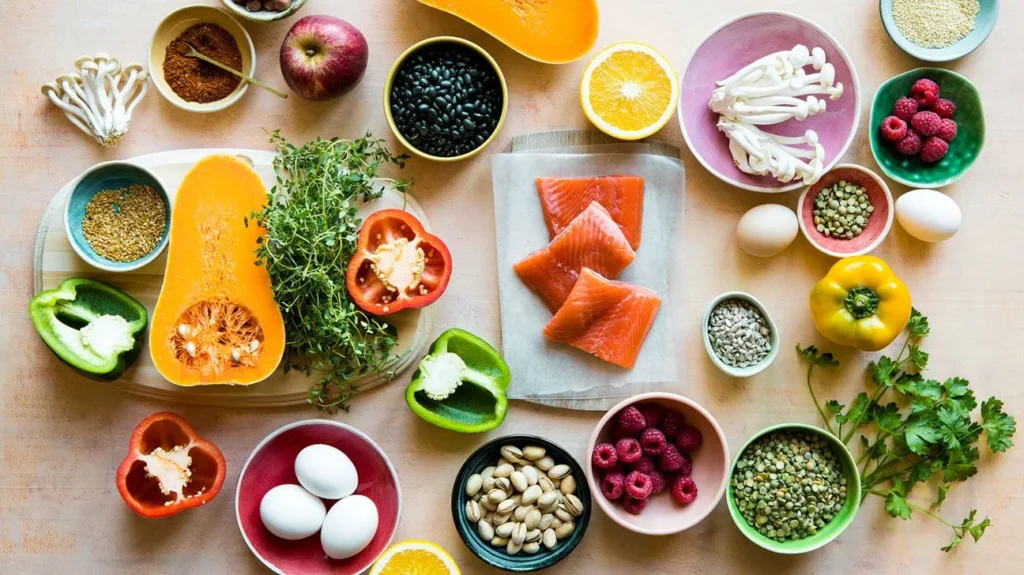
Are Superfoods Really Special, or Is It Just a Marketing Trend? The word superfood is popular in media and advertising, but from a clinical nutrition perspective, there is no official scientific category called “superfood.” However, the concept behind it is very real.
What people call superfoods are simply nutrient-dense foods, foods that provide high amounts of vitamins, minerals, fiber, antioxidants, and protective compounds relative to their calorie content. And yes, these foods matter.
According to the World Health Organization (WHO) and the Food and Agriculture Organization (FAO), diets rich in whole grains, fruits, vegetables, legumes, nuts, and healthy fats significantly reduce the risk of chronic diseases such as heart disease, type 2 diabetes, and certain cancers.
So while the term may be trendy, the science behind nutrient-dense eating is solid.
Do I Need Expensive Imported Foods to Eat “Super”?
Absolutely not.
One of the biggest misconceptions about superfoods is that they must be expensive. In reality, many local and seasonal foods qualify.
Millet, sorghum, beans, groundnuts, garden eggs, kontomire, sardines, pawpaw, and oranges are all nutrient-dense options. The body responds to nutrients, not branding.
Healthy eating becomes sustainable when it is culturally familiar and economically realistic.
Can Superfoods Prevent Disease on Their Own?
No single food prevents disease.
Health outcomes are shaped by patterns, not isolated ingredients. A diet high in ultra-processed foods cannot be “canceled out” by adding one smoothie or supplement.
What makes superfoods powerful is consistency. When these foods form the foundation of daily meals, they help regulate blood sugar, support heart health, reduce inflammation, and improve gut function.
Prevention is cumulative.
How to Use Superfoods Practically?
Instead of searching for a miracle product, focus on building meals that include:
- A vegetable source
- A quality protein
- A whole grain or fiber-rich carbohydrate
- Healthy fats in moderation
- Color, variety, and balance are better long-term strategies than chasing trends.
Dietitian’s Takeaway
Superfoods are not magic. They are simply foods that nourish more than they harm.
The goal is not perfection. It is repetition. Repeating balanced, nutrient-dense choices daily has a stronger impact than occasional extreme efforts.
You don’t need a miracle food.
You need consistent, evidence-based eating patterns.
Got questions? Drop them in the comments below—we would love to hear from you!
RD, LD Julius Sammah
MyHealthCop Certified Dietician
Ready to Take the First Step?
👉 Book a 1-on-1 Session with any of our Certified Dietitian professionals to start your health journey today. [DOWNLOAD THE APP]

Popular posts

Reach Us on Our Social Media Platforms