
Read time : 2 minutes
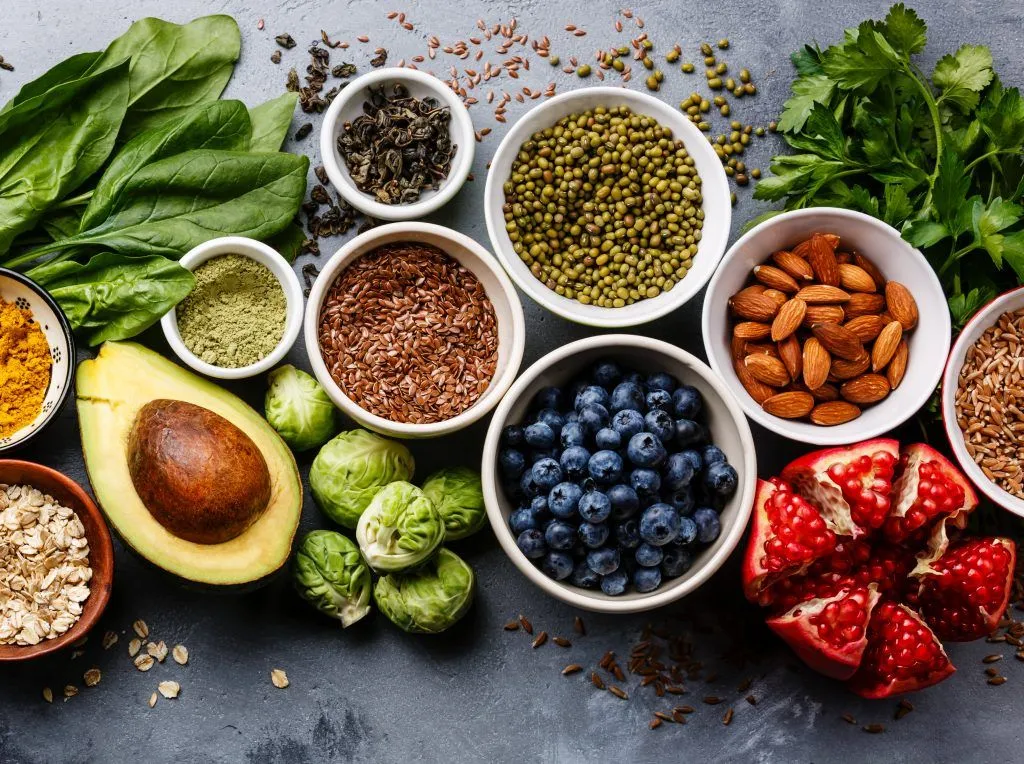
You don’t need a miracle food. You need better choices repeated daily Nutrition & Healthy Eating Superfoods. Not all calories are equal and your body knows the difference. Some foods simply fill you up. Others actively protect your heart, brain, and metabolism. According to the WHO, diets rich in nutrient-dense, whole foods significantly reduce the risk of chronic disease. Those foods are what we call superfoods.
What Makes a Food “Super”?
According to WHO and FAO, healthy eating patterns are built around foods that are:
- High in micronutrients
- Rich in dietary fiber
- Packed with antioxidants and phytochemicals
- Low in added sugars, unhealthy fats, and excess salt
“Superfoods” earn the name because they offer more nutrition per bite, not because they work in isolation.
Evidence-Backed Superfood Categories
1. Leafy Green Vegetables
Examples: spinach, kale, kontomire, lettuce
- High in iron, folate, vitamin K, and antioxidants
- Support blood health and reduce inflammation (WHO)
2. Berries & Colorful Fruits
Examples: blueberries, strawberries, oranges, pawpaw
- Rich in vitamin C and polyphenols
- Support immune function and heart health
3. Legumes & Pulses
Examples: beans, lentils, chickpeas, cowpeas
- High in plant protein and fiber
- Improve blood sugar control and gut health (FAO)
4. Nuts & Seeds
Examples: almonds, walnuts, groundnuts, chia, flaxseed
- Provide healthy fats, magnesium, and antioxidants
- Support brain and heart health when eaten in moderation (WHO)
5. Whole Grains
Examples: oats, brown rice, millet, sorghum
- Rich in fiber and B vitamins
- Reduce risk of cardiovascular disease and type 2 diabetes (WHO)
6. Fatty Fish & Plant Omega-3 Sources
Examples: oats, brown rice, millet, sorghum
- Rich in fiber and B vitamins
- Reduce risk of cardiovascular disease and type 2 diabetes (WHO)
What Superfoods Are Not
- Not supplements or detox products
- Not expensive imports only
- Not a replacement for balanced meals
NB: Health comes from patterns, not single foods.
How to Use Superfoods Effectively
- Mix local and seasonal foods into daily meals
- Aim for color and variety on your plate
- Pair superfoods with adequate protein and healthy fats
- Keep portions realistic and sustainable
Superfoods don’t create health on their own; habits do. A diet built around diverse, whole, nutrient-dense foods is one of the strongest investments you can make in your long-term health.
Eat smart. colorful. and consistently.
Got questions? Drop them in the comments below—we would love to hear from you!
RD, LD Julius Sammah
MyHealthCop Certified Dietician
Ready to Take the First Step?
👉 Book a 1-on-1 Session with any of our Certified Dietitian professionals to start your health journey today. [DOWNLOAD THE APP]

Popular posts

Reach Us on Our Social Media Platforms